When you have a set marketing budget, the pressure to “get it right” is immense. For most business owners, the dilemma boils down to a fight between two tech giants: Google and Meta (Facebook). Both platforms reach billions of people, both have sophisticated tracking, and both claim to be the best tool for lead generation.
However, choosing between them isn’t about which platform is “better” in a vacuum. It is about understanding the psychological state of your customer when they encounter your ad. One platform finds people who are actively looking for a solution; the other finds people based on who they are and what they like.
At Code Nest, we manage complex PPC and SMM campaigns across both networks. The businesses that see the highest ROI are those that understand the fundamental divide between Intent and Interest.
Google Ads: The Power of Intent (The “Pull” Method)
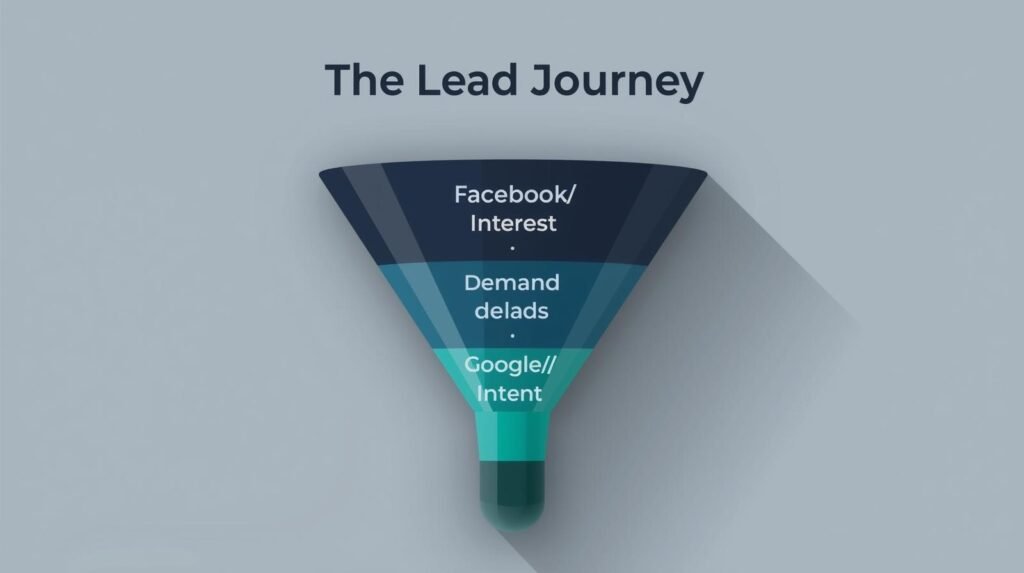
Google Ads is fundamentally a “pull” platform. It relies on the search terms people type into the bar. When someone searches for “emergency plumber NYC” or “best b2b lead generation agency,” they have what marketers call high Commercial Intent. They have a problem, and they are actively hunting for a solution.
Why Google Wins for Quality Leads
Because you are bidding on specific keywords, the leads you generate through Google are typically further down the sales funnel. These people don’t need to be convinced that they need a service; they only need to be convinced that your company is the right one to provide it.
The Downside of Intent
Intent comes at a price. In competitive industries—like legal services, insurance, or enterprise software—the Cost Per Click (CPC) can be staggering. Because everyone wants the customer who is ready to buy right now, the bidding wars are intense. If you have a low budget and high competition, Google Ads can feel like a bottomless pit if not managed by a professional who knows how to optimize for Quality Score.
Facebook Ads: The Power of Interest (The “Push” Method)
Facebook (now Meta) is a “push” platform. Users don’t go to Facebook or Instagram to find a product; they go there to be entertained or to connect with friends. Your ad “pushes” its way into their feed based on the data Meta has collected about them.
Why Facebook Wins for Brand Growth
Meta’s targeting capabilities are unrivaled. You can target someone based on their job title, the fact that they recently moved, their interest in specific hobbyist brands, or their likelihood to engage with a “Lookalike Audience” that mirrors your current customer base.
The Lead Generation Reality
When discussing google ads vs facebook ads for leads, Facebook leads often cost significantly less than Google leads. However, these leads are typically “top of the funnel.” These are people who saw an ad and thought, “That looks interesting,” but they aren’t necessarily ready to sign a contract today. Facebook requires a more robust email nurture sequence and a dedicated sales team to convert the volume of leads into actual revenue.
Comparing ROI: Quality vs. Quantity

The debate over where to spend your budget often comes down to the math of your sales cycle.
- Google Ads: Generally offers a lower volume of leads at a higher cost, but those leads convert into sales faster. The path from “Click” to “Customer” is short.
- Facebook Ads: Offers a higher volume of leads at a lower cost, but the conversion rate from “Lead” to “Customer” is usually lower. The path is longer and requires more touchpoints.
If you are a service-based business (like an HVAC company or a law firm) where people search for you only when they have an immediate need, Google Ads should be your primary spend.
If you have a product that solves a problem people don’t realize they have yet—or if your brand is highly visual (like fashion, home decor, or lifestyle apps)—Facebook Ads will likely deliver a better return on your spend.
The Strategy of Synergy: Why “Both” is the Real Answer
At Code Nest, we rarely recommend an “all or nothing” approach. The most sophisticated marketing budgets utilize a split strategy that plays to the strengths of both platforms.
1. The Facebook Retargeting Loop
You pay for a high-intent visitor through a Google Search ad. They visit your site but aren’t quite ready to buy. Instead of losing them forever, you “retarget” them on Facebook and Instagram. Now, as they browse their social feed, they see your brand again. This reinforces trust and keeps your company top-of-mind.
2. Market Research via Google, Scaling via Facebook
Use Google Ads to identify which specific pain points and keywords drive the most profitable conversions. Once you know exactly what message resonates with buyers, you can take that “winning hook” and build a massive Facebook campaign around it to reach millions of similar people who aren’t searching for those keywords yet.
Lead Magnetism: Landing Pages Matter
Whether you choose Google or Facebook, the ad is only 50% of the equation. We see businesses waste thousands of dollars by sending high-quality traffic to a generic, slow-loading homepage.
If you are running google ads vs facebook ads for leads, you need dedicated landing pages designed for conversion. These pages should be lightning-fast (which is why we build many of ours in Next.js for our clients) and should have one clear, undeniable call to action. Without a conversion-optimized destination, you are just donating money to Google and Meta.
Conclusion: Data-Driven Allocation
The “right” place to spend your budget depends on your industry, your margins, and the maturity of your sales process.
- Choose Google if you have a high-value offer and want customers who are ready to buy today.
- Choose Facebook if you want to build a brand, generate a high volume of potential interest, and have a system in place to nurture those relationships over time.
Don’t guess where your money is going. Digital advertising provides the most granular data in the history of marketing—if you know how to read it.
Struggling to find the balance in your ad spend? Contact Code Nest today. Our paid media specialists will analyze your business goals and build a multi-channel strategy that focuses on ROI, not just clicks.