The era of the “helpful chatbot” is officially coming to a close. While the early 2020s were defined by our fascination with Large Language Models (LLMs) that could write poems and summarize emails, the narrative has shifted. According to recent industry forecasts from Gartner, by 2028, at least 33% of enterprise software interactions will be mediated by autonomous AI agents, up from less than 5% in 2023.
We are moving away from a world where we “talk to AI” and into a world where we “delegate to AI.” This shift represents the most significant leap in productivity since the invention of the graphical user interface. But what exactly is the difference between a chatbot and an agent, and why are autonomous AI agents suddenly the only thing Silicon Valley wants to talk about?
1. Defining the Shift: Chatbots vs. Autonomous AI Agents
To understand the future, we must first define the present. A chatbot, like the early versions of ChatGPT or Claude, is essentially a reactive interface. You provide a prompt, and it provides a text-based response. It is a sophisticated game of “predict the next word.”
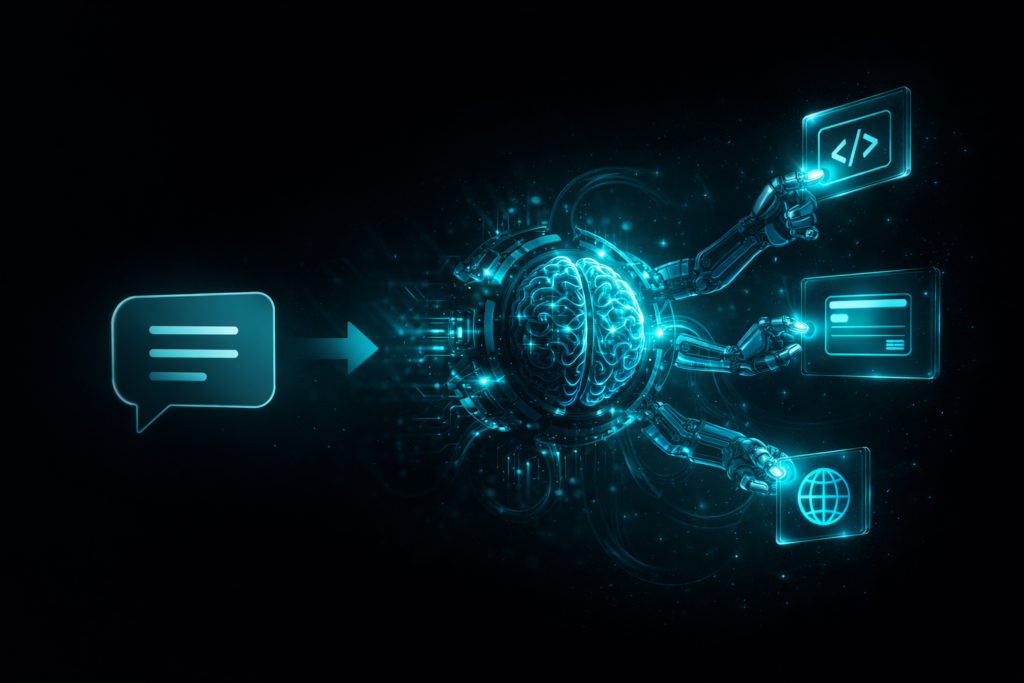
Autonomous AI agents, however, are proactive. They don’t just talk; they act. An agent is an AI system that is given a high-level goal (e.g., “Research this company, find the best contact for sales, and draft a personalized outreach email”) and breaks that goal down into a series of independent steps.
The core difference lies in three pillars:
- Agency: The ability to make decisions without human “hand-holding” at every step.
- Tool Use: The ability to interact with the digital world—opening browsers, using APIs, and editing files.
- Reasoning: The ability to self-correct when a specific path fails.
If a chatbot is a consultant you talk to, an autonomous agent is a staff member you manage.
2. The Anatomy of Autonomy: How Agents Actually Work
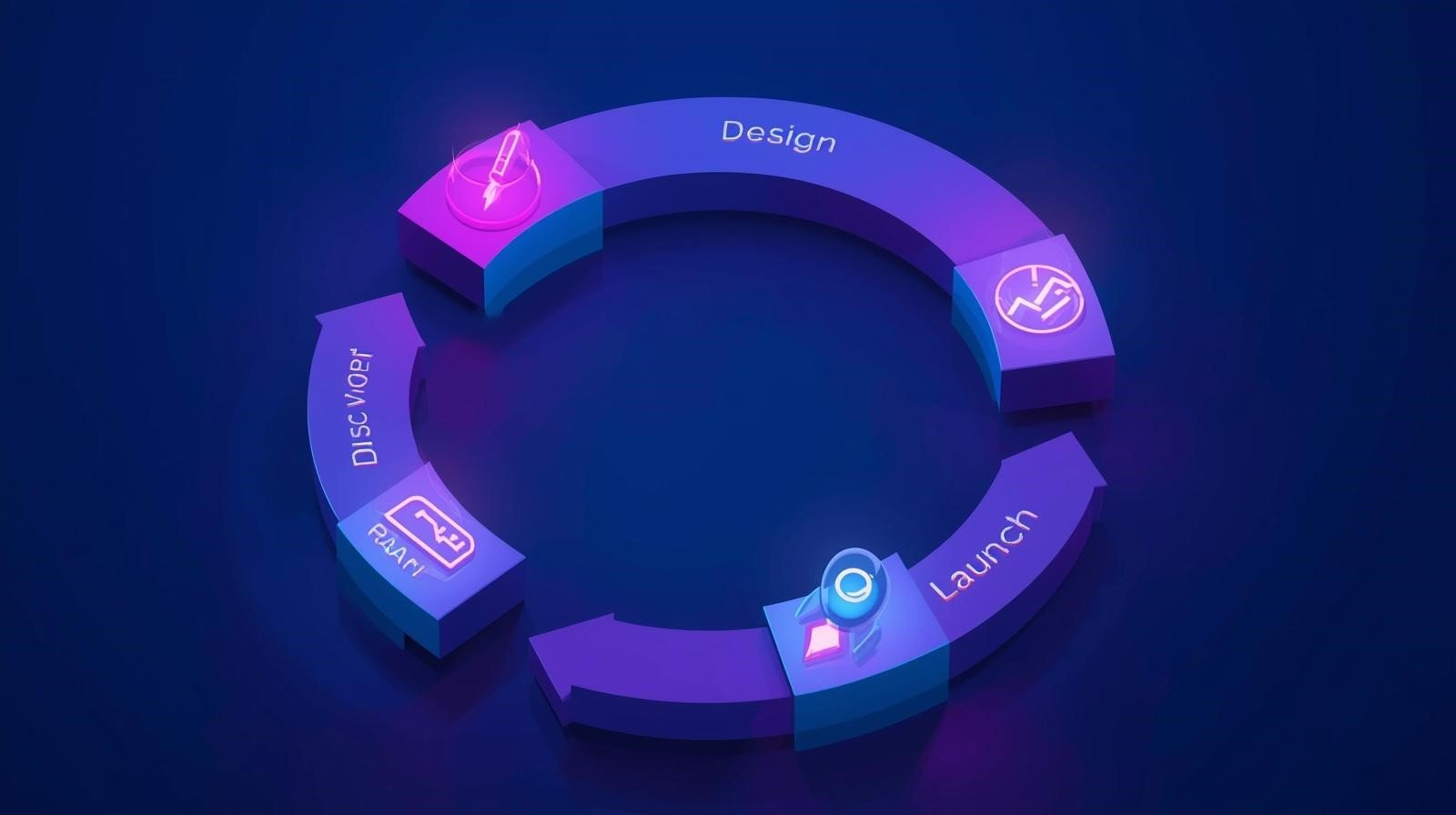
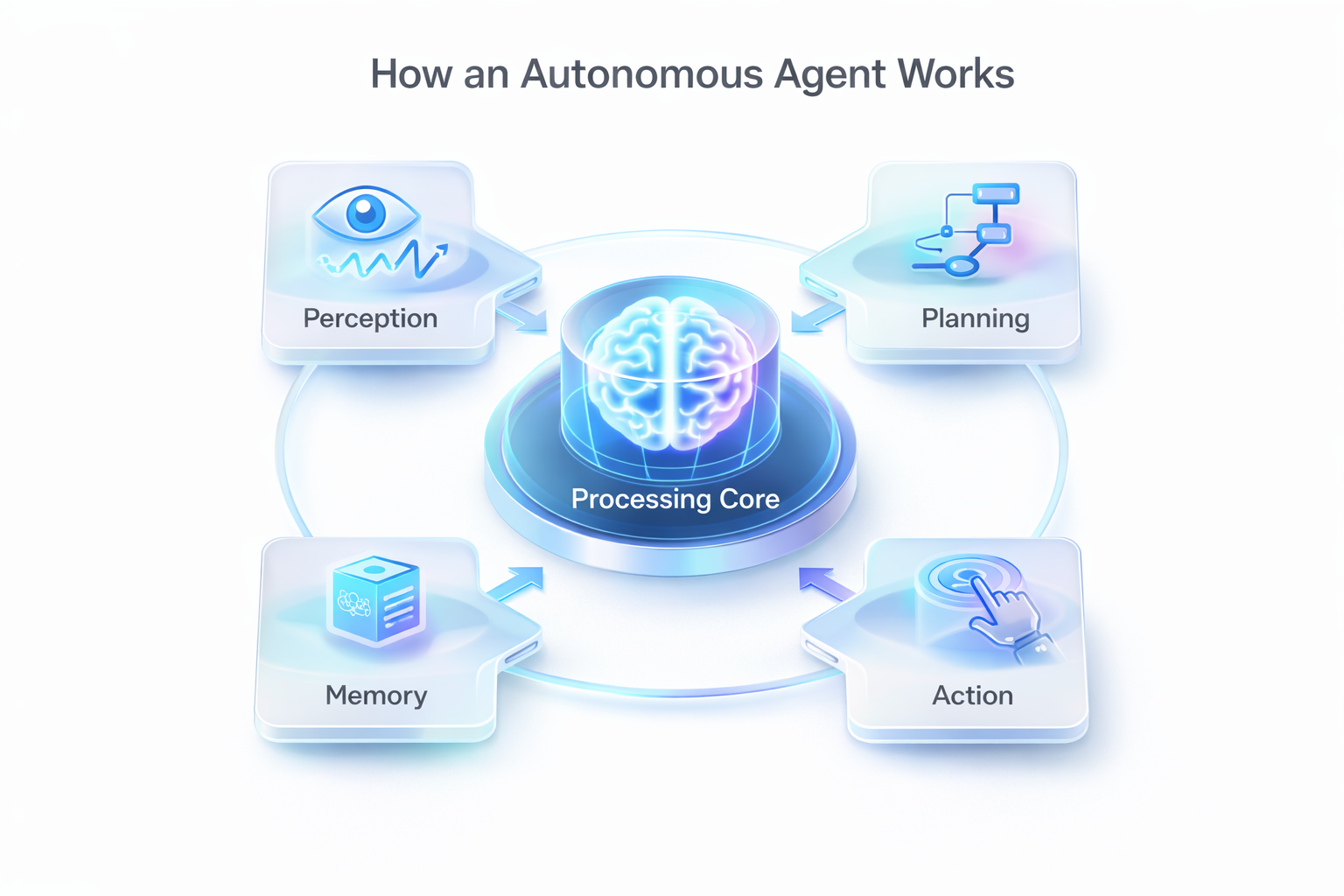
How does an AI move from a text box to a functional worker? The architecture of autonomous AI agents is built on a “Reasoning Loop” that mirrors human cognitive processes.
Planning and Decomposition
When you give an agent a complex task, it doesn’t just start typing. It uses a process called “Chain of Thought” reasoning to decompose the task. If the goal is to “organize a business trip to Tokyo,” the agent identifies the sub-tasks: check the calendar, search for flights within a budget, find hotels near the meeting venue, and book a table at a highly-rated restaurant.
Memory Systems
Modern agents utilize both short-term and long-term memory. Short-term memory allows the agent to keep track of what it has done within a single session (e.g., “I already checked JAL flights; now I’ll check ANA”). Long-term memory, often powered by Vector Databases and RAG (Retrieval-Augmented Generation), allows the agent to remember user preferences or past successful strategies across weeks or months.
The Tool-Use Layer
This is where the magic happens. Through frameworks like LangChain or specialized APIs, autonomous AI agents can now “see” and “click” on the web. They can log into your CRM, pull data from a spreadsheet, and send a message on Slack. They are no longer trapped in a browser tab; they have “hands” in the digital world.
3. Real-World Applications: Where Agents are Winning in 2026
We are seeing autonomous AI agents move out of the lab and into the workstation. Here are the sectors where they are currently delivering the most significant ROI:
Software Engineering and DevOps
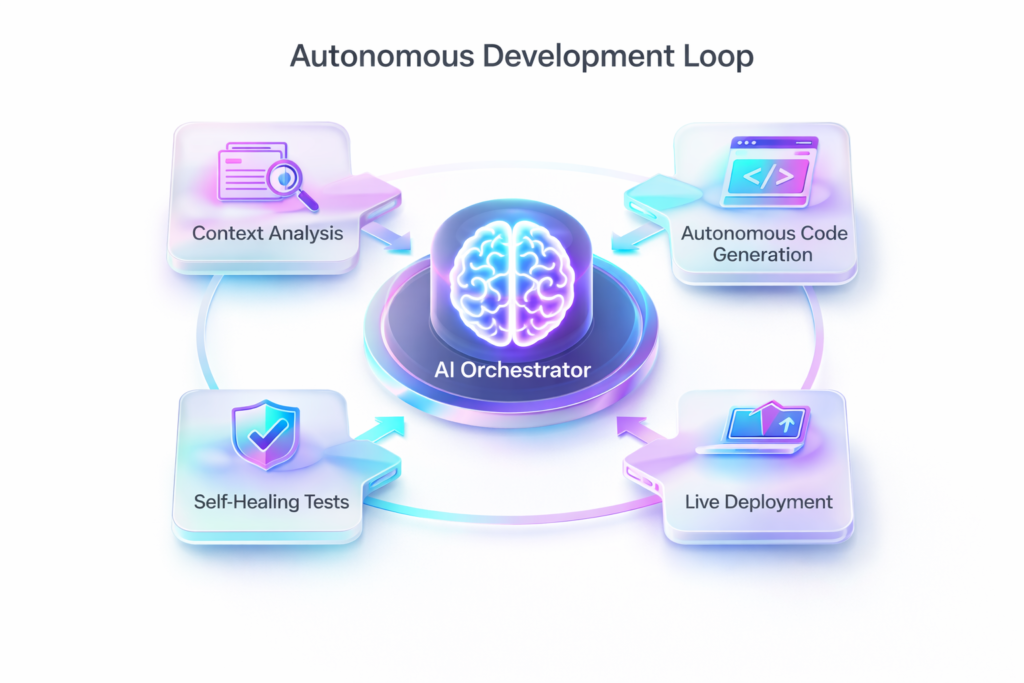
The rise of “agentic coding” has transformed software development. Tools that act as autonomous agents can now scan a codebase for vulnerabilities, write the fix, test it in a sandboxed environment, and submit the Pull Request for approval. They aren’t just autocompleting lines; they are managing entire feature lifecycles.
Hyper-Personalized Research and Intelligence
In the past, market research took days of manual Googling and synthesis. Today, an agent can be tasked with “Monitoring all competitors in the fintech space.” It will daily scan news, social media, and financial filings, synthesize the data, and provide a briefing only when it detects a significant market shift.
Automated Customer Success
We are moving past the “I’m sorry, I didn’t understand that” phase of customer service. Autonomous AI agents now have the authority to process refunds, change subscription tiers, and troubleshoot technical issues by accessing the backend systems directly, only escalating to a human when the emotional complexity of the situation requires it.
4. The Challenges: Safety, Hallucinations, and the “Agentic Loop”
With great power comes great unpredictability. The rise of autonomous AI agents brings a new set of challenges that developers and businesses are still grappling with.
The Problem of Recursive Loops
What happens when an agent gets stuck in a logic loop? Without proper guardrails, an autonomous agent could theoretically spend thousands of dollars in API credits or send hundreds of erroneous emails while trying to solve a poorly defined problem. Designing “kill switches” and cost-limiters is now a critical part of agent development.
Security and Permissions
Giving an AI “agency” means giving it access to your credentials and data. The security community is currently debating the “Least Privilege” model for AI. How much access should an agent have to your email or your company’s financial records? If an agent is compromised, the damage is no longer just a leaked conversation—it’s an authorized transaction.
Reliability and Hallucination
Even the most advanced agents can still “hallucinate” or make incorrect assumptions. In a chatbot, a hallucination is a lie in a text box. In an autonomous agent, a hallucination could be an incorrectly deleted database record. This is why “Human-in-the-Loop” (HITL) systems remain vital in 2026, where the AI acts and the human verifies the high-stakes decisions.
5. The Future: A World of Multi-Agent Orchestration
The next phase of this evolution is not just a single agent, but “Multi-Agent Systems” (MAS). In this scenario, different specialized agents work together.
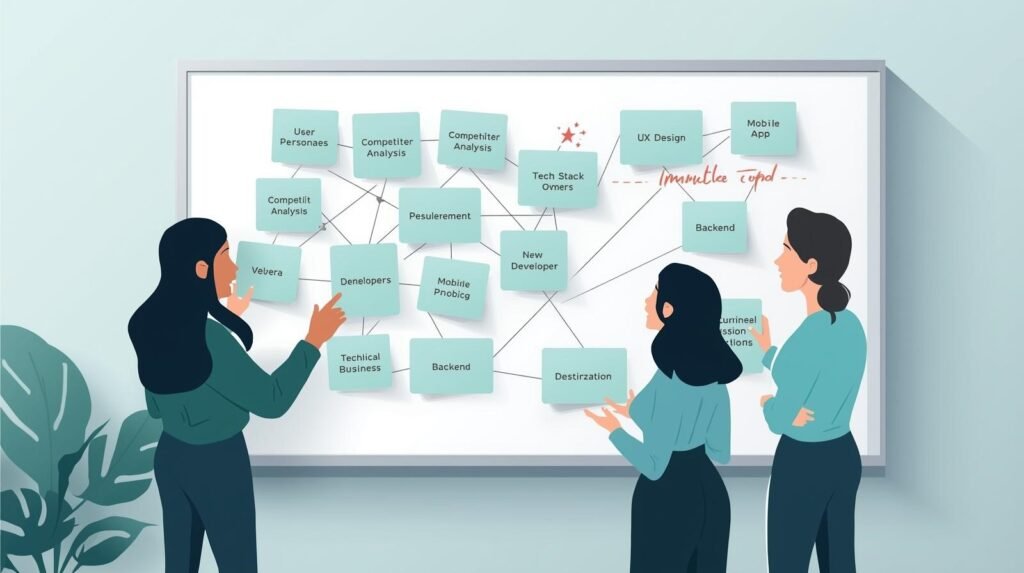
Imagine a marketing department where one agent is the “Strategist,” another is the “Copywriter,” and a third is the “Data Analyst.” They communicate with each other in a private digital workspace, debating the best course of action before presenting a completed campaign to the human manager.
As autonomous AI agents become more sophisticated, the “Search Intent” on the web will change. We won’t search for “How to do X”; we will look for “Which agent is best at doing X.”
Key Takeaways
- Action Over Conversation: The defining characteristic of an agent is its ability to execute tasks independently, moving beyond the reactive nature of chatbots.
- Architectural Complexity: Autonomous AI agents rely on a sophisticated blend of planning, memory, and tool-use to interact with the digital world.
- Productivity Explosion: Agents are currently revolutionizing coding, research, and customer operations by handling end-to-end workflows.
- Security is Paramount: As we give AI the power to act, implementing robust governance, permissions, and “Human-in-the-loop” systems is non-negotiable.
- The Management Shift: The role of the human worker is shifting from “doer” to “orchestrator,” focusing on setting goals and auditing the AI’s output.