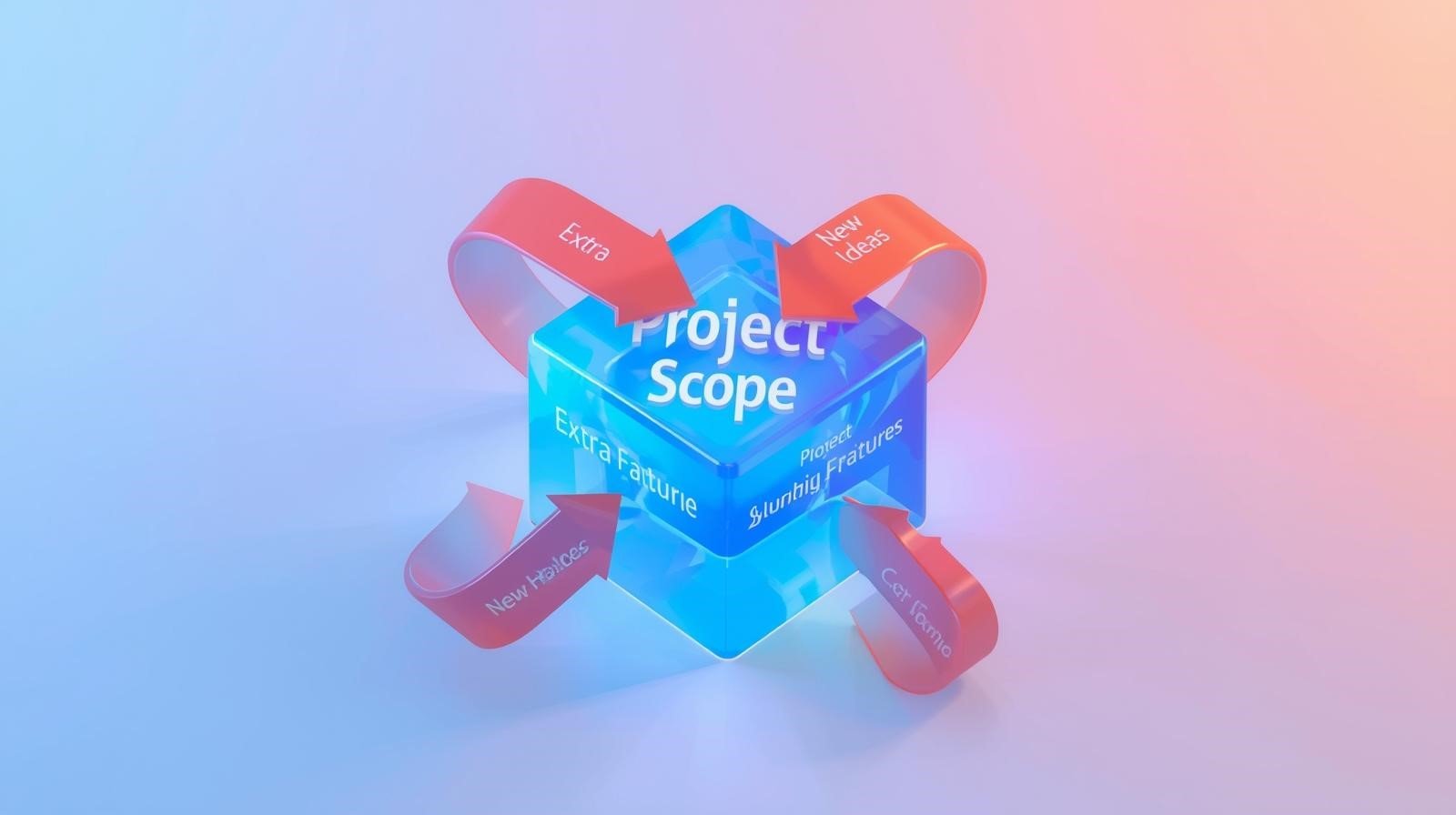
Every experienced business owner has seen it happen. A project starts with a clear vision: a professional, five-page website or a simple internal tool for managing leads. But as the development begins, new ideas start to trickle in. “Can we just add a small member portal?” or “Could we integrate this specific legacy CRM we use?”
Separately, these requests seem minor. Combined, they are a silent project killer known as project management scope creep.
Scope creep refers to the uncontrolled growth of a project’s requirements without corresponding adjustments to the budget, resources, or timeline. It is one of the most common reasons digital projects fail, lose profitability, or miss their launch dates. At Code Nest, we view a fixed scope not as a limitation, but as a safeguard. By preventing scope creep, we ensure that our clients receive a high-quality product on the day they expect it.
Why “Can You Just…” is the Most Dangerous Phrase in Tech
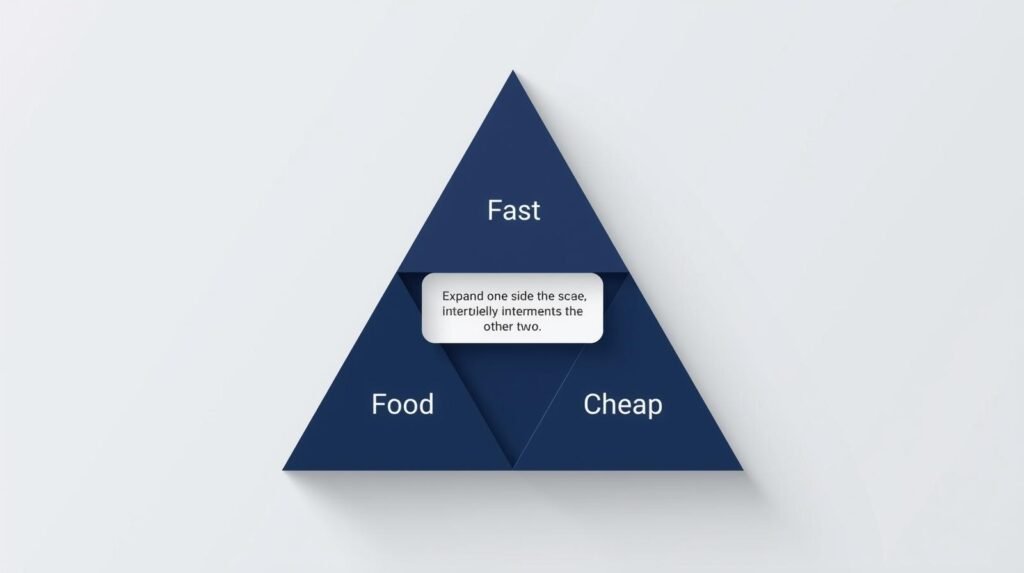
Scope creep rarely happens with a single, massive demand. Instead, it occurs through a series of “micro-requests.”
Imagine you are hiring a contractor to build a standard kitchen. Halfway through the build, you ask if they can “just” install a walk-in wine cellar as well. You understand that the wine cellar requires extra materials and labor.
However, in software development, the “materials” (code) are invisible. To a client, adding a button that generates a PDF report might look like a five-minute task. To a developer, that button might require hours of library integration, data mapping, and testing for edge cases. When dozens of these “five-minute” tasks accumulate, the project timeline stretches, and the original budget becomes insufficient.
The Core Causes of Scope Creep
Understanding why scope creep occurs is the first step toward stopping it. In our experience at Code Nest, it usually stems from three areas:
1. Lack of a Robust Discovery Phase
As we discussed in the software development lifecycle stages, a project without a deep discovery phase is built on assumptions. If the technical requirements aren’t defined in detail before coding begins, the client and the agency will inevitably have different ideas of what “finished” looks like.
2. The “Vague Feature” Trap
Vague descriptions are the breeding ground for scope creep. If a requirement simply says “Integration with Social Media,” it is unclear if that means simple social icons or a complex automated posting engine. Professional project management requires “Functional Specifications” that leave no room for interpretation.
3. Too Many Stakeholders
The more people involved in a project, the higher the risk. When a marketing director, a CEO, and a lead salesperson all have input on a build without a centralized project lead, the “wish list” begins to overshadow the actual business requirements.
How to Identify Scope Creep Before it Happens

Spotting scope creep requires vigilance during the development phase. Watch for these red flags:
- The Moving Goalpost: You are six weeks into a ten-week build, and you haven’t yet seen a working version of the primary feature because new sub-features are still being debated.
- “In-the-Moment” Decisions: During a progress meeting, a new feature is discussed and someone says, “That’s a great idea, let’s just do that too,” without checking if it fits the original timeline.
- A “Busy” Feedback Loop: You are receiving more questions about features you didn’t know were being built than features that were in the original agreement.
The Code Nest Strategy for Preventing Budget Overruns
We believe that professional software development relies on transparency and structure. Here is how we prevent scope creep from derailing our clients’ projects:
1. The Statement of Work (SOW) as an Anchor
The SOW is a detailed document that serves as the legal and technical backbone of the project. It doesn’t just list features; it defines boundaries. It clearly states what is included and what is not. This clarity provides a point of reference for both the client and the agency throughout the build.
2. A Formal Change Request Process
We don’t believe in “never saying no” to a new idea. Business priorities shift, and sometimes a feature must be added. When this happens, we move from the development cycle into the change request process.
Instead of trying to squeeze the new feature into the existing timeline, we pause. We estimate the additional cost and the time needed for the new request. The client can then make an informed business decision: is this new feature important enough to increase the budget and move the launch date? This turns an emotional request into a logical business choice.
3. Iterative Releases (MVP)
The best way to manage a “big vision” is to break it down. We often advocate for a Minimum Viable Product (MVP) launch first. This allows the client to get their core product into the hands of users as quickly as possible. Features that would have otherwise “crept” into the original scope are instead logged in a “Product Backlog” for Version 2.0. This keeps Version 1.0 focused and efficient.
Why a Rigid Scope is Better for the Client
It may seem counterintuitive, but a development team that pushes back against “feature additions” is doing you a favor.
When a project experiences project management scope creep, the quality of the original features often suffers. Developers find themselves rushing the core code to make time for the “bonus” features. This results in technical debt—bugs and messy code that will cost you significantly more to fix in the future.
A firm scope allows the team to focus on excellence. It ensures that the primary problems your software was intended to solve are solved flawlessly.
Conclusion: Collaboration Requires Guardrails
Digital projects are complex, but they don’t have to be unpredictable. Successful project management is a partnership based on clear communication and a shared respect for the project’s boundaries.
At Code Nest, we don’t just build websites and apps; we manage budgets and timelines with surgical precision. We protect our clients from the high costs and missed opportunities that follow unmanaged growth. By defining exactly what “done” looks like from day one, we create a path to a successful, profitable launch.
Planning a project and want a partner who respects your budget? Contact Code Nest today. Let’s work together to define a scope that drives results without the drama.
Leave a Reply